

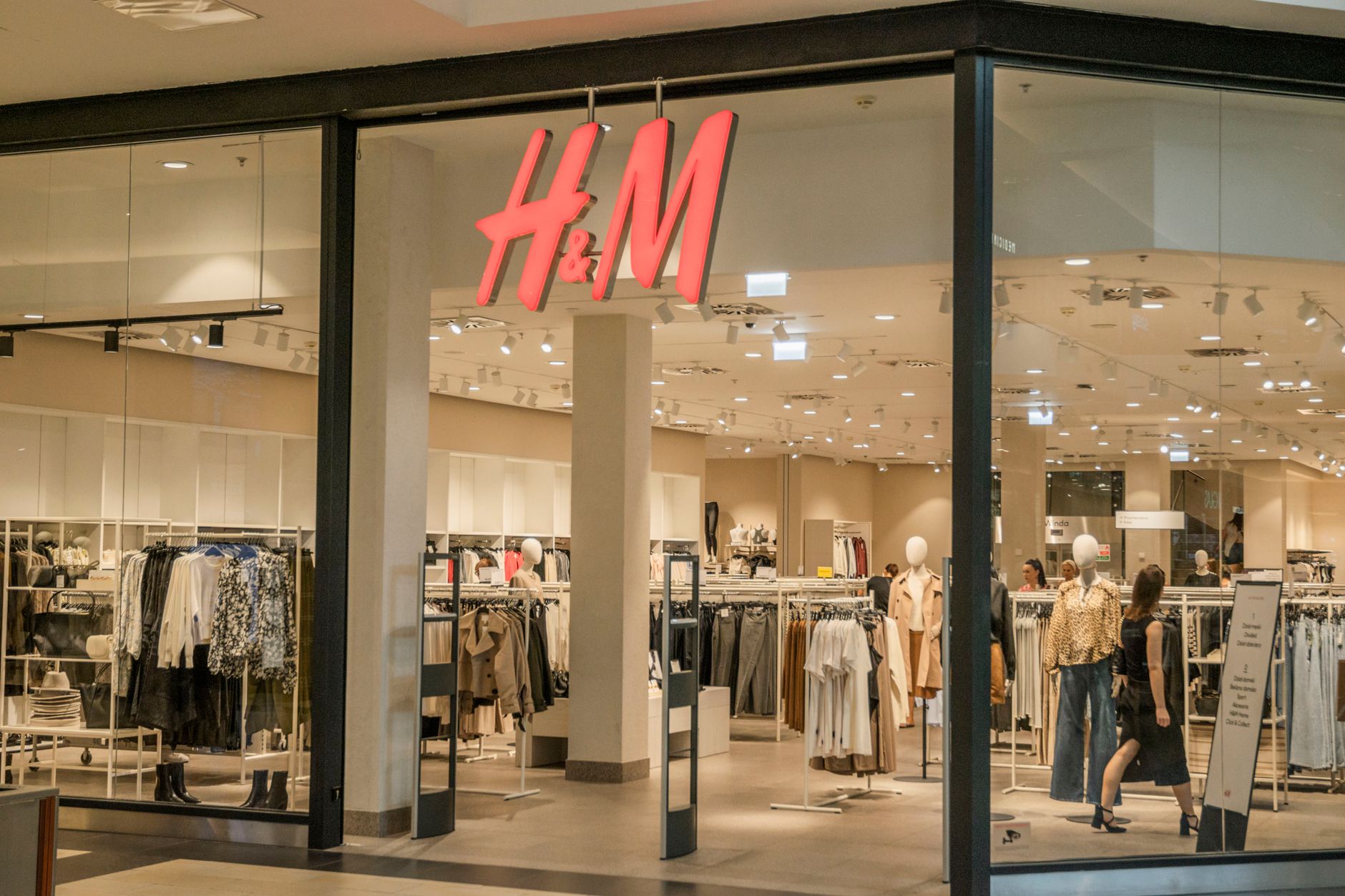
Fashion brand expansion has taken off since its launch in 2020, with impressive growth to over 100 sites across the UK and US. This trend highlights the evolving landscape of the fashion industry.
The Rise of Fashion Brands in 2023
In 2023, the fashion industry continues to witness a remarkable rise in the number of emerging brands, driven by innovative strategies and a keen understanding of market dynamics. Since its inception in 2020, one particular brand has seen tremendous growth, expanding its presence to over 100 locations across the UK and US. This rapid expansion highlights the potential for fashion brand expansion in today’s competitive landscape.
Several factors contribute to the success of these brands. Firstly, the rise of e-commerce has enabled fashion labels to reach a global audience without the need for extensive physical infrastructure. This shift has allowed new entrants to carve out their niche in the market quickly.
Secondly, the increased focus on sustainability has resonated with consumers, prompting brands to adopt eco-friendly practices. This commitment not only attracts environmentally conscious shoppers but also enhances brand loyalty.
Moreover, collaborations with influencers and celebrities have played a significant role in increasing brand visibility. By leveraging social media platforms, brands can engage with potential customers in a more personal and relatable manner.
As 2023 progresses, the fashion landscape is expected to evolve further, with more brands exploring innovative avenues for growth. The strategies that have proven effective thus far will likely continue to shape the future of fashion brand expansion.
Key Factors Driving Expansion
The fashion brand expansion phenomenon in recent years can be attributed to several key factors that drive growth and success in a competitive market.
- Digital Transformation: The rise of e-commerce has revolutionized how fashion brands reach consumers. Brands are leveraging online platforms to enhance visibility and sales, allowing for quicker expansion into new markets.
- Social Media Influence: Platforms like Instagram and TikTok have become vital tools for fashion brands. By harnessing influencer partnerships and user-generated content, brands can effectively engage with their target audience, fostering brand loyalty and driving expansion.
- Consumer Demand for Sustainability: There is a growing emphasis on sustainable and ethical fashion. Brands that adopt eco-friendly practices are not only appealing to conscious consumers but also positioning themselves for expansion in a market that increasingly prioritizes sustainability.
- Diverse Product Offerings: Successful fashion brands are expanding their product lines to cater to a wider audience. By introducing versatile collections, they can attract various demographics and meet different consumer needs.
- Strategic Partnerships: Collaborations with other brands or retailers can enhance visibility and open new distribution channels, further fueling fashion brand expansion.
By focusing on these factors, fashion brands can effectively navigate the complexities of growth in a dynamic marketplace.
Success Stories of Rapid Growth
In recent years, several fashion brands have demonstrated remarkable growth and success through strategic expansion. One notable example is a brand that, since its launch in 2020, has rapidly expanded to more than 100 locations across the UK and US. This impressive trajectory highlights the effectiveness of well-executed fashion brand expansion strategies.
Another brand that has successfully navigated the competitive landscape is known for its unique blend of sustainability and style. By focusing on eco-friendly materials and ethical production processes, the brand has attracted a loyal customer base, leading to its expansion into international markets.
Additionally, a more established brand has revitalized its image and market presence by embracing digital transformation. Through a robust online platform and targeted social media campaigns, they have reached a younger demographic, resulting in a significant uptick in sales and new store openings.
These success stories illustrate the diverse paths that fashion brands can take to achieve rapid growth. The combination of innovative marketing strategies, a commitment to sustainability, and an understanding of consumer preferences has proven to be crucial for brands aiming to expand in today’s dynamic market.
The lessons learned from these brands can serve as a blueprint for emerging fashion labels looking to navigate their own paths toward successful expansion.
Challenges Faced by New Brands
As new fashion brands strive for expansion, they often encounter a variety of challenges that can impede their growth. These obstacles are crucial to understand for any brand aiming to achieve sustainable success in a competitive market.
One major challenge is market saturation. The fashion industry is highly competitive, with numerous brands vying for consumer attention. New entrants must find unique selling propositions that distinguish them from established players.
Additionally, financial constraints pose significant hurdles. Launching a new brand requires substantial investment in production, marketing, and distribution. Many startups struggle with securing funding or managing cash flow, which can limit their ability to expand.
Another notable challenge is consumer trust. Building a loyal customer base takes time, and new brands often need innovative marketing strategies to establish credibility. This includes leveraging social media and influencer partnerships effectively to reach potential customers.
Moreover, scaling operations can be complex. As a brand grows, maintaining quality control and consistent customer service becomes increasingly difficult. Brands must develop robust systems and processes to manage their expansion without sacrificing the customer experience.
In summary, while the fashion brand expansion presents exciting opportunities, navigating these challenges is essential for long-term growth and profitability.
Consumer Trends Influencing Growth
As fashion brands look to expand, understanding consumer trends is essential for successful growth strategies. The evolving preferences of shoppers are shaping how brands approach their expansion plans.
One significant trend is the shift towards sustainability. More consumers are prioritizing eco-friendly products, pushing brands to adopt sustainable practices in their supply chains. This move not only attracts environmentally-conscious customers but also strengthens brand loyalty.
Additionally, the rise of online shopping has transformed consumer behavior. With the increasing reliance on e-commerce, fashion brands are focusing on enhancing their digital presence. This includes optimizing websites for user experience, utilizing social media for marketing, and creating engaging online content to connect with younger audiences.
Another trend influencing expansion is the demand for personalization. Consumers now expect tailored shopping experiences, prompting brands to invest in data analytics and AI technology to deliver customized recommendations. By understanding individual preferences, brands can foster deeper connections with their customers.
Finally, the push for inclusivity in fashion cannot be overlooked. Brands that offer diverse size ranges and cater to a wider audience are more likely to succeed in today’s market. Embracing inclusivity not only aligns with consumer values but also opens the door to new growth opportunities.
Incorporating these consumer trends into their business models will significantly enhance fashion brand expansion efforts.
Fashion Brand Expansion Strategies
As fashion brands navigate the competitive landscape, several proven strategies emerge as key to successful expansion. These strategies not only enhance visibility but also drive customer loyalty and revenue growth.
- Targeted Marketing: Utilizing data analytics to understand consumer preferences allows brands to create tailored marketing campaigns. This targeted approach increases engagement and conversion rates.
- Collaborations and Partnerships: Forming alliances with influencers or other brands can significantly expand reach. Collaborations often introduce fashion brands to new audiences, fostering community and enhancing brand credibility.
- Omni-Channel Presence: Establishing a seamless shopping experience across multiple platforms—online and offline—ensures that customers can engage with the brand in their preferred environment. This is crucial for fashion brand expansion.
- Sustainable Practices: Emphasizing sustainability resonates with a growing segment of eco-conscious consumers. Brands that adopt ethical practices often find increased loyalty and brand advocacy.
- Innovative Product Lines: Regularly introducing new collections or limited editions keeps the brand fresh and exciting. This approach not only attracts new customers but also retains existing ones.
By implementing these strategies effectively, fashion brands can navigate the complexities of growth and establish a strong foothold in the market.
Future Predictions for the Fashion Market
The future of the fashion market appears promising, with several key predictions emerging for the coming years. As established brands and newcomers alike explore fashion brand expansion opportunities, industry experts anticipate significant shifts in consumer behavior and market dynamics.
One major trend is the increasing emphasis on sustainability. Brands that prioritize eco-friendly practices are likely to gain a competitive edge as consumers become more environmentally conscious. This shift may lead to a rise in collaborations between fashion brands and sustainable material suppliers.
Additionally, technological advancements are expected to reshape the shopping experience. The integration of augmented reality and virtual fitting rooms could enhance online shopping, making it more interactive and personalized. As a result, brands that embrace these technologies may experience accelerated growth.
Furthermore, globalization will continue to play a crucial role in brand expansion. Retailers are likely to target emerging markets in Asia and Africa, where a growing middle class presents new opportunities for fashion brands. This expansion will require adaptability to local cultures and preferences.
Finally, the rise of social media influencers and digital marketing will further redefine brand strategies. Companies that effectively leverage these platforms can engage directly with consumers, fostering loyalty and driving sales.
In summary, the future of the fashion market is poised for transformation, with sustainability, technology, globalization, and social media shaping the landscape of fashion brand expansion.
Successful fashion brand expansion often relies on leveraging digital marketing strategies to reach a broader audience. By understanding consumer behavior, companies can tailor their approaches to maximize the effectiveness of their fashion brand expansion efforts.
Photo by SHOX ART on Pexels
Sources
Related stories
From Innovation to Protection: A Complete Patent Filing Roadmap · Puja Collection 2026: The Best Fashion Launch This Year · Tory Burch pop-up is the Best Exclusive Fashion Experience


Leave a Reply